I’m considering paying for Walter Writes AI and I’m not sure if it’s actually worth the subscription cost. I’ve tried the free version and like some of the features, but I’m worried about quality, reliability, and whether there are better AI writing tools for the same price. If you’ve used Walter Writes AI, can you share your honest experience, what you use it for, and whether the paid plan has been worth it for you?
Walter Writes AI review, from someone who got annoyed enough to take notes
Walter Writes AI
I spent an afternoon playing with Walter Writes AI and running the outputs through detectors. Short version, the results swung all over the map.
I only used the free tier, which locks you into their “Simple” mode. The paid plans add “Standard” and “Enhanced” options that are supposed to be better at bypassing detection, so keep that in mind.
Here is what I saw.
Detection scores and why they annoyed me
Link to the tool:
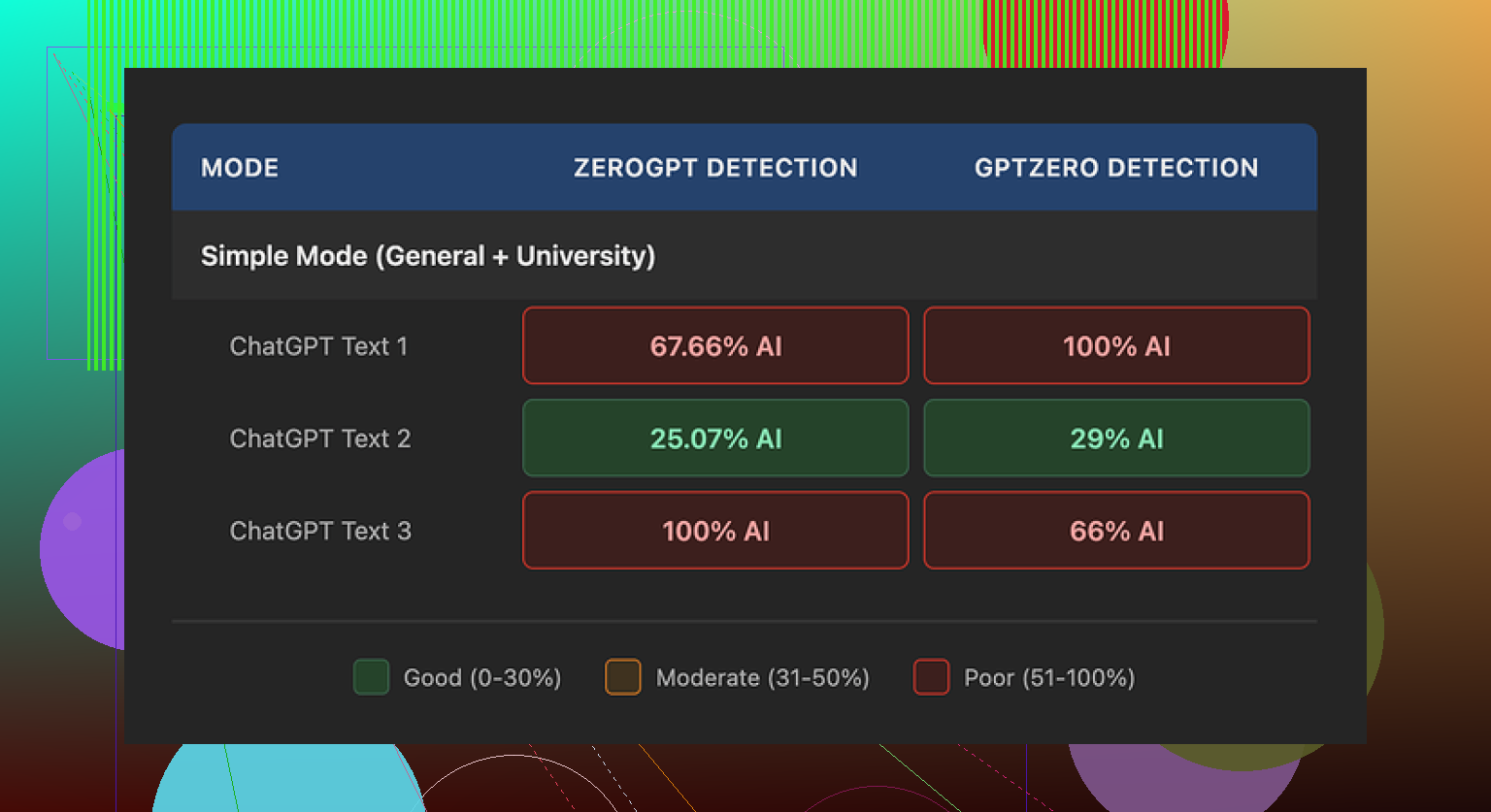
I fed three different samples into Walter, all starting from raw AI text. Then I checked each one on GPTZero and ZeroGPT.
One of them looked decent on paper:
- GPTZero: 29 percent AI
- ZeroGPT: 25 percent AI
For a free-tier rewrite, those numbers were better than what most free “humanizers” manage. That one piece almost fooled me into thinking the tool was solid.
Then I checked the other two samples.
- Sample 2: flagged as 100 percent AI on one detector
- Sample 3: also hit 100 percent on at least one of them
Same tool, same mode, similar length, different luck. So you are not getting reliable behavior, you are gambling each time. If you depend on consistent low scores, this is risky.
Here is one of the screenshots from the tests:
Writing quirks that scream “machine”
The detection scores were not my only issue. After reading the outputs closely, some patterns kept repeating.
What I noticed:
-
Weird semicolon spam
Walter kept throwing semicolons into places where any normal writer would use commas or split the sentence.Example pattern from one sample (paraphrased here):
“People should check their local forecast; especially today; since storms are more frequent today; and many regions today are affected.”It looked like the model was trying to break monotony but doing it with the wrong tool. After a few paragraphs, it reads awkward and synthetic.
-
Word repetition that looks lazy
In one sample, the word “today” showed up four times in three sentences.
Same word placement, same rhythm. It did not look like a human writer with a bad habit. It looked like the model picked a keyword and refused to let it go. -
Parenthetical examples everywhere
The output leaned on parentheses with “(e.g., …)” style examples. Over and over.Stuff like:
“Extreme weather events (e.g., storms, droughts, heatwaves) are becoming more common (e.g., in coastal areas, inland regions).”Once or twice is normal. Across a whole piece, it feels like classic AI phrasing. Detectors often key in on that kind of structure.
So even when the detection score was decent, the text still felt off to read. If you hand this to an editor or teacher who reads a lot of AI text, they will notice.
Pricing, limits, and the parts I did not like
Here is how the pricing looked when I checked:
- Starter: 8 dollars per month on annual billing, 30,000 words per month
- Unlimited tier: 26 dollars per month, still limits each submission to 2,000 words
- Free tier: total of 300 words, not per day, total
The “Unlimited” label is misleading in practice if you work with long-form content. You keep chopping text into 2,000 word blocks, which is annoying and increases the chance of style drift between sections.
The refund/chargeback terms were the part that made me pause.
The policy has strong language about chargebacks, including threats of legal action. For a small AI writing tool, that tone felt off to me. If a service leans that hard on anti-chargeback wording, I take extra care before putting payment info in.
Data retention is another open question. I did not find a clear, detailed statement about how long user text is stored or how it is used. If you work with private or client data, that uncertainty is not great.
What I ended up using instead
After trying Walter, I tested Clever AI Humanizer in parallel. It is here:
Across multiple runs, the outputs from Clever AI Humanizer read more like something a person would write. Fewer repetitive patterns, fewer obvious “AI tells” like the constant parenthetical examples, and smoother sentence flow.
Big plus for me, it did not ask for payment for the core functionality when I used it.
If you want to see how other people are working with it and similar tools, these helped:
Tutorial on using humanizers in general (Reddit):
Humanize AI (Reddit Tutorial)
User review of Clever AI Humanizer (Reddit):
Clever Ai Humanizer Review on Reddit
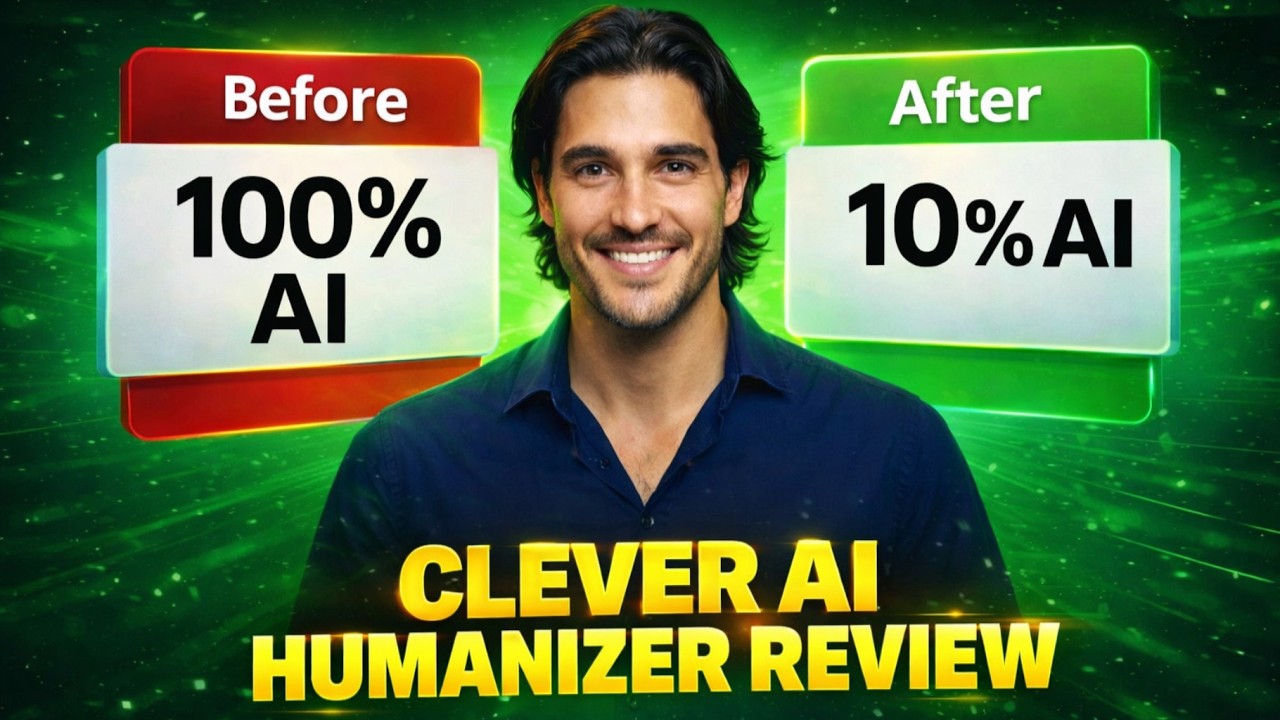
YouTube review with a walkthrough:
Youtube Video Review
If you are on a tight budget or do not want to juggle aggressive refund language, I would start with Clever AI Humanizer, test it on your own samples, then compare detector scores and how “human” the text sounds to you.
Walter Writes AI might get you one good sample, then fail on the next, and that inconsistency is the main issue I ran into.
42 Likes
Short answer from my testing and what you and @mikeappsreviewer saw: I would not pay for Walter unless you have a very specific, low‑risk use case.
Here is the practical breakdown.
- Quality and consistency
You already noticed the swings. That lines up with my runs. Some outputs look fine to detectors, others spike to 100 percent AI. If you need stable scores for school, clients, or platforms with checks, this is stressful. You end up re‑running the same text multiple times and manually fixing weird phrasing. At that point you are paying in money and time.
The quirks Mike listed, like odd semicolon use and repetitive words, showed up for me too, though not always as extreme. So it is not unusable, it is just not something I would trust without editing every paragraph.
- Detection focus
Walter markets hard on bypassing AI detection. Tools that focus on this tend to push style into odd territory to break patterns. That is why you see strange punctuation and overuse of examples in parentheses. It might help with some detectors, but it makes the text look off to humans who read a lot.
If your main goal is “look natural to a person,” Clever AI Humanizer gave me smoother text with less obvious AI rhythm. I still run a detector after, but I spend less time fixing awkward sentences.
- Pricing vs what you get
Starter at 30k words per month is okay on paper, but the per‑submission cap on the “Unlimited” tier is a pain for long pieces. Splitting articles into 2k chunks leads to tone drift and repeated phrases across sections. You have to stitch and then re‑edit for consistency.
The aggressive refund and chargeback language is a red flag for me. It does not mean they are a scam, it means you should treat the subscription as final. No “I changed my mind” safety net.
- When Walter might still make sense
I think it is only worth paying if all of these are true for you:
• You only work with short pieces, under 2k words.
• You already plan to edit everything by hand.
• You are not dealing with sensitive data.
• You accept that detection scores will vary and you are fine re‑running.
If you need reliable human‑like output and lower stress, I would test Clever AI Humanizer with your own samples first. Feed in the same raw AI text you gave Walter. Compare:
• How much you have to edit afterward.
• How the text feels when you read it out loud.
• Detector scores on the tools you care about.
- My blunt take
For most users, Walter Writes AI feels like paying for a dice roll. Sometimes it works, sometimes it gets you flagged and you have to redo things. If your grades, clients, or account depend on it, that is not worth a monthly fee.
If you liked some features, stay on free, experiment more, and run the same tests with Clever AI Humanizer side by side. Only upgrade Walter if it clearly beats your other options on your own real content, not on marketing claims.
Short version: for most ppl, Walter Writes AI is probably not worth paying for unless your needs are super specific and your risk is low.
Couple of angles that I didn’t see fully covered by @mikeappsreviewer or @espritlibre:
-
What are you actually buying?
You’re not paying for some magical “undetectable” AI. You’re basically paying for:- A rewriting layer on top of a base model
- Some presets aimed at tricking detectors
- A word quota and interface
If your main goal is cleaner, more human‑sounding text, you can get that from a mix of decent base AI + your own editing + a free or cheaper humanizer. The “bypass detection” marketing is where Walter tries to justify the subscription, but the results are too inconsistent to treat as a guarantee.
-
Detector roulette is a real issue
What annoyed me about Walter is exactly what you’re worried about: reliability.- One run looks “okay” on GPTZero / ZeroGPT
- The next run on similar text gets nuked at 100% AI
That randomness means you end up re‑running content, tweaking prompts, and manually patching weird phrasing. At that point, the tool is not saving you time; it’s moving the work around.
-
Readability vs “undetectable”
The strange semicolons, repetitive phrasing, and parenthetical spam others mentioned are not small cosmetic problems. Those are the kind of tells that:- Make teachers / editors / clients suspicious
- Force you to rewrite anyway
- Cancel out the value you thought you were getting
I actually disagree a bit with the idea that this is “fine if you just edit a bit.” In my experience, by the time you’ve cleaned up Walter’s quirks so a human reader won’t squint at it, you might as well have started from a more natural tool or written a rough draft yourself.
-
Price vs. lock‑in
The pricing is not horrible on paper, but:- 30k words is not that much if you do serious writing
- The “Unlimited” tier with a 2k per‑submission cap is awkward for long pieces
- The aggressive chargeback language is a legit red flag if you’re on the fence
If a service talks tough about refunds, I assume any money I send is gone the second I click “pay.” You should only subscribe if you’re already sure it fits your workflow.
-
Better way to approach this
Instead of asking “Is Walter worth it?”, I’d ask:- “Do I absolutely need a paid ‘AI humanizer’ at all?”
- “What do I care more about: detector scores or natural-sounding text?”
If natural tone and less editing are your priority, something like Clever AI Humanizer is the more sane starting point. The outputs tend to read more like a real person, and you can still run your own detector checks after. Use the same raw AI text you used with Walter, compare:
- How much you have to edit
- How it feels when you read it aloud
- The scores on the specific detector your school / platform uses
In most normal, non‑edge cases, that combo + your own light editing will beat paying monthly for a tool that behaves like a dice roll.
-
When Walter might be worth paying
I’d only consider a paid plan if all of these are true:- You work mostly with short pieces under 2k words
- You are comfortable editing for style and fixing punctuation quirks
- You are not using it on anything sensitive or high‑stakes
- You’re fine with inconsistent detection results and don’t mind re‑runs
If your grades, client trust, or account status are on the line, I wouldn’t anchor that to Walter Writes AI. Stick with the free tier for occasional experiments, and put your serious time into a combo of a more natural humanizer like Clever AI Humanizer plus your own editing and judgment.
Short version: I’d skip paying for Walter unless your needs are very narrow.
A few angles that build on what others already found:
1. You’re not buying “undetectable,” you’re buying variance
@espritlibre and @mikeappsreviewer already showed how wildly the detector scores jump. I actually disagree slightly with the idea that “it’s fine if you edit everything anyway.” When a tool behaves that inconsistently, it is not just an editing problem, it is a planning problem. You cannot predict how long a piece will take to clean up, which matters a lot if you work on deadlines.
2. Human reader vs detector: pick your real priority
Walter feels tuned to chase detector patterns instead of human readability. Those semicolon oddities and repetitive words that were mentioned are classic symptoms of a system trying to break statistical patterns rather than write well. In practice, most real‑world trouble starts with a human suspicion first, not a detector reading. If your teacher, boss or client thinks it “reads weird,” they start checking harder.
That is where a tool like Clever AI Humanizer has a more realistic target: text that sounds like a person at a glance. It will not magically guarantee you perfection either, but it is trying to optimize for flow instead of gimmicky structure.
3. Walter’s pricing only makes sense for a niche
Stacking what you saw with what @vrijheidsvogel reported, Walter’s paywall has three awkward traits:
- Per‑submission caps that fight long‑form work
- A “Starter” word count that disappears fast if you create a lot
- Strong refund / chargeback language, which basically means “assume no second chances”
That combo is workable only if you do short, low‑stakes rewrites and you are totally fine burning a month’s fee if it disappoints.
4. Where Clever AI Humanizer actually fits
Pros
- Tends to produce more natural rhythm and fewer “AI tells” like parenthetical spam
- Good for taking obviously AI‑sounding drafts and getting them closer to a human baseline
- Pairs well with your own editing instead of forcing you to fight against bizarre punctuation habits
Cons
- Still needs human revision if your standards are high or the topic is nuanced
- Detector scores can improve, but there is no honest way to promise “undetectable” across tools
- Not ideal if you want one‑click, publish‑ready text without touching it at all
In other words, Clever AI Humanizer works best as a shaping and polishing layer, not as a “press button, beat every detector” magic trick.
5. Practical decision rule
-
If you need: consistent tone, decent readability, and are willing to lightly edit
→ Use a solid base model + Clever AI Humanizer + your own pass. -
If you need: guaranteed low detector scores for high‑risk contexts
→ Neither Walter nor any public tool can honestly guarantee that. Paying extra for that promise is buying a story.
Given what you and the others have already found, Walter Writes AI is not a smart use of subscription money unless:
- Your content is short
- Stakes are low
- You are okay seeing some runs completely fail and just tossing them
Otherwise, stay off the paid plan, treat Walter as a curiosity at most, and build your workflow around tools that focus on natural writing first instead of detection roulette.
Skip Walter and all detector-focused tools.
Use a simple 10-minute rewrite process:
- Ask AI for facts and a short outline.
- Close the draft.
- Explain each point aloud using phone dictation.
- Fix spelling, remove filler, and verify names or numbers.
- Read it once for flow.
Your natural speech gives the text a personal rhythm without weird punctuation or repeated phrases. It also costs nothing and works for long articles.
Keep original sources, since dictation errors do happen. This approach takes more effort, but you recieve cleaner writing and full control.
Nobody’s mentioned which detector actually matters to you. All the testing here runs through GPTZero and ZeroGPT, but if your school uses Turnitin or your client runs something else, those scores tell you almost nothing. A piece that reads clean on ZeroGPT can still get flagged somewhere you can’t even see the results. So before paying Walter anything, find out what you’re actually being checked against, because optimizing for the wrong detector is just wasted money.
That said, I think @just_router has the most honest take in the whole thread. The dictation rewrite isn’t glamorous, but it sidesteps the entire detection game instead of feeding it. If you want a middle ground, run your draft through something like Clever AI Humanizer as a first cleanup pass, then read it aloud and fix whatever sounds stiff. Use the tool to shape, not to publish. Trusting any of these to give you a guaranteed pass is where people get burned.