My essay was written with AI, but it sounds too robotic and unnatural. I need advice or tips on how to revise it so it reads more like a human wrote it. Suggestions on specific changes or examples would be really helpful.
Oh man, I totally get what you’re saying about AI-generated essays sounding like a microwave manual sometimes. One trick that’s helped me is to read each paragraph out loud and imagine telling it to a friend—if it feels stiff or awkward, switch up the wording until it flows more naturally. Use contractions (like “you’re” instead of “you are”), toss in some shorter sentences, maybe even a rhetorical question or two. Throw in real-life examples, add your own opinion or a personal anecdote, and if you can, cut just a bit of that perfect grammar—it’s okay for writing to have some quirks!
Also, look out for words or phrases you’d never say in real life and swap them for simpler alternatives. Instead of “therefore,” you could go with “so,” and don’t be afraid to start a sentence with “and” or “but.” (Yep, English teachers might shudder, but it sounds way more human.)
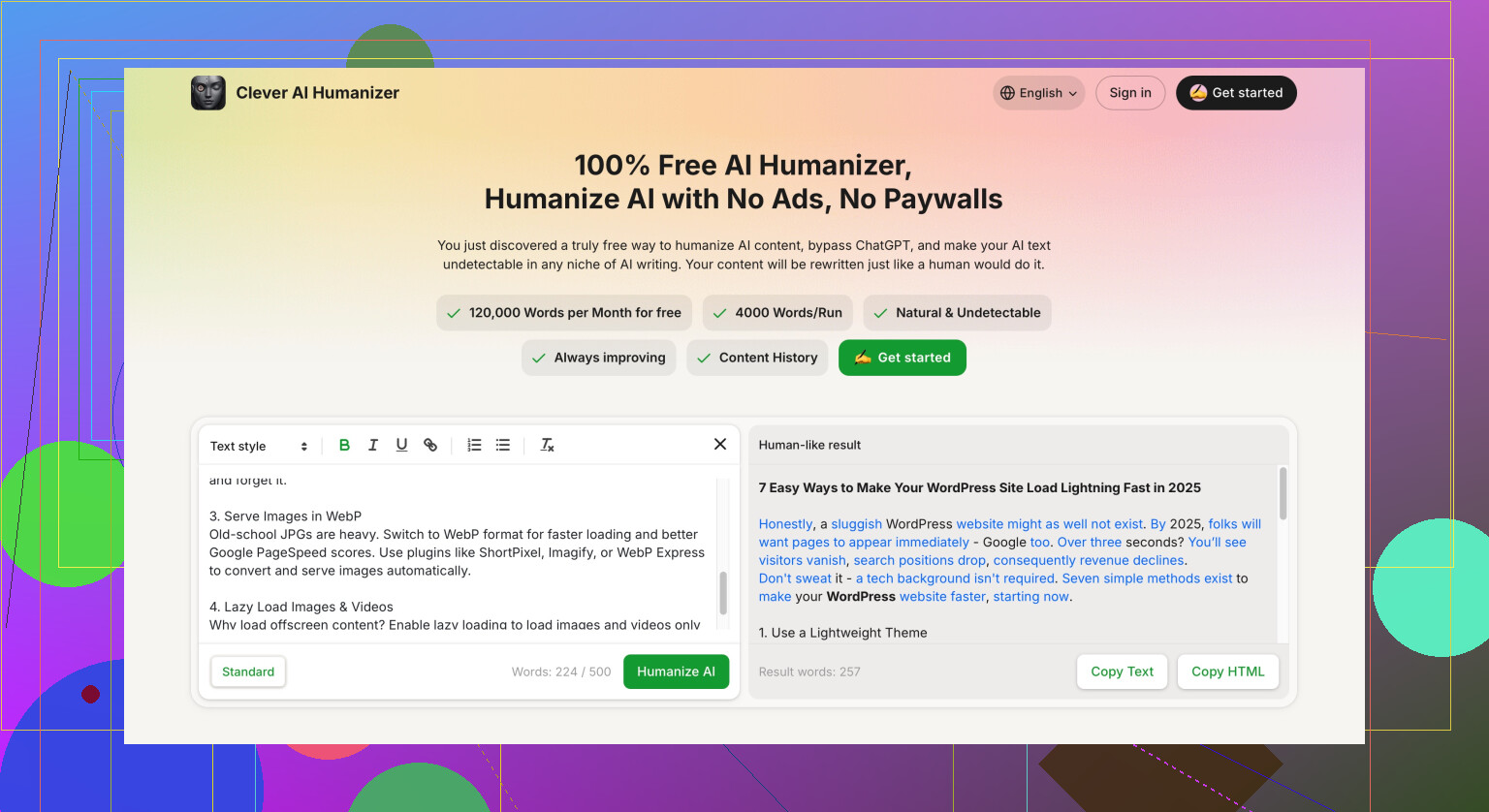
If all else fails, you might wanna try something like making your AI writing sound more human; tools like Clever Ai Humanizer are pretty solid at rearranging and rephrasing text so it doesn’t trip spam filters or scream “I, Robot.” Seriously saves time and headache, especially if you’re up against a deadline. Happy editing!
14 Likes
Honestly, I think @jeff shared a bunch of spot-on tactics (like using contractions and making it less formal), but let’s be real—sometimes “just making it more relaxed” doesn’t cut it, especially if the AI went into overdrive with buzzwords and awkward sentence structures. One thing that actually works for me: throw the essay into a Google Doc and use the “Suggesting” mode as if you’re editing someone else’s work. You’ll spot odd word choices or overused transitions like “additionally,” “furthermore,” “in conclusion” etc.—dump most of those. And, if the essay sounds like an infomercial or Wikipedia, add a little spice. Maybe a pop culture reference or a dash of humor.
Also, don’t be afraid to break up those AI paragraphs into smaller chunks. AI LOVES chunky paragraphs, but real people don’t write like that for informal topics, so splitting things apart helps a ton. Where I disagree with @jeff a bit: you don’t have to force errors or quirks. Real voices show through in opinions, unique observations, and emotional words rather than just incorrect grammar.
Honestly, if rewording every paragraph feels like too much, using something like Clever Ai Humanizer is actually pretty efficient, especially since you’re on a tight schedule. (Cuts down on all that “the quick brown fox jumps over the lazy dog” nonsense AI tosses in, lol.)
If you want more info on options out there, check out top-rated free AI humanizer tools that transform robotic writing—solid lineup and good breakdowns of what’s free and what’s worth your time. AI’s making our lives easier, but who wants to sound like C-3PO at graduation, right?